J.M. Abraham Atlantic Poetry Award

The J.M. Abraham Atlantic Poetry Award was established in 1998 through the combined efforts of the Writers’ Federation of Nova Scotia, poets, publishers, and post-secondary institutions, who raised funds to annually honour the best book of poetry by an Atlantic Canadian. In 2014, the award was renamed the J.M. Abraham Atlantic Poetry Award after the legacy of Father Joseph Murray Abraham.
One prize ($2,000) is awarded each year for a book of poetry that was written by a full-time resident of Atlantic Canada and published or distributed for the first time in Canada in the year prior to the submission deadline. The J.M. Abraham Atlantic Poetry Award is administered through the Writers’ Federation of Nova Scotia.
Submissions and Guidelines
The J.M. Abraham Atlantic Poetry Award ($2,000 prize) is awarded for a book of poetry written or co-written by a full-time resident of Atlantic Canada that was published and/or distributed for the first time in Canada in the year prior to and including the submission deadline.
Full-time residents of Atlantic Canada are those who have lived in one or a combination of the Atlantic provinces (New Brunswick, Newfoundland & Labrador, Nova Scotia, or Prince Edward Island) for at least two consecutive years immediately prior to the submission deadline date. A co-authored book is eligible if at least one co-author meets this residency requirement.
Submission guidelines and a complete list of winners are available through the Writers’ Federation of Nova Scotia.
Congratulations!

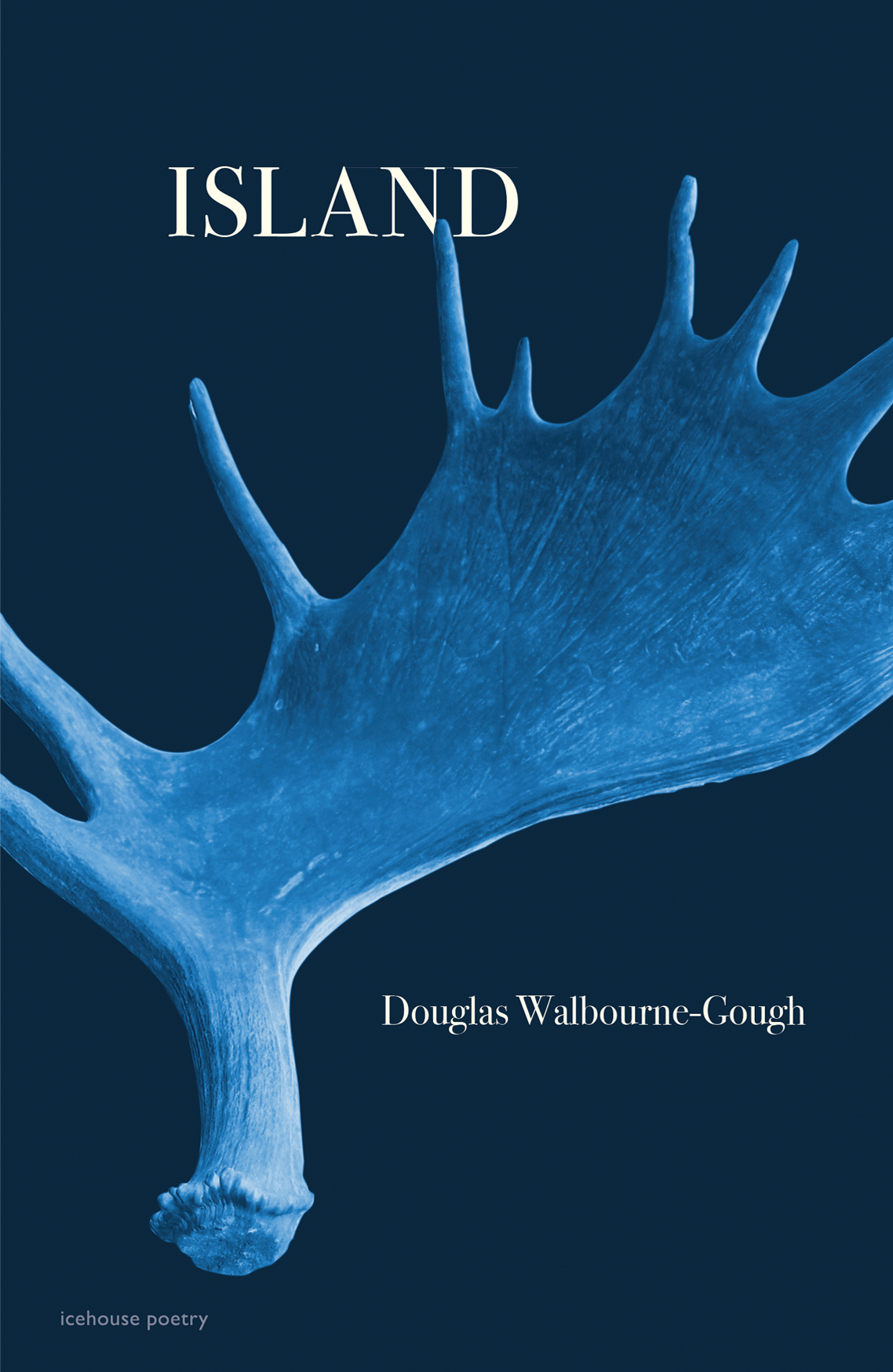
Douglas Walbourne-Gough is the 2025 winner of the J. M. Abraham Atlantic Poetry Award for his book, Island, published by Goose Lane Editions.
Of Island, the jury said, “Island is a poetry collection that does community work on and off the page, as it addresses the Qalipu Mi’kmaq First Nation and its place, or perceived non-place, within Newfoundland and across Canada. Island is a nod toward Ktaqmkuk being an island, but also the misconception of the self being an island.”